If you walk into a modern kitchen today, you will likely hear the high-pitched whine of a mixer grinder. It is fast, efficient, and fits neatly on a countertop. But if you walk into the Swamy's kitchen in Vaikom, you will hear a different sound: the low, rhythmic rumble of heavy, slow-rolling stones.
To some, using stone grinders might seem like an unnecessary nod to the past. But to us, it is a choice backed by science, flavor, and respect for tradition. Here is why we refuse to replace our stones with steel blades.
1. The Chemistry of Cool Grinding
The biggest enemy of a good batter is heat. Modern mixer grinders use steel blades that spin at thousands of revolutions per minute. This high-speed friction creates significant heat, often warming the batter to over 45°C during the grind.
This heat does two damaging things: it begins to pre-cook the delicate starches in the rice and lentils, and it kills the natural, beneficial wild yeast and lactobacilli present in the grains. Without these microbes, the batter cannot ferment properly. Our heavy stones roll slowly, keeping the batter completely cool (under 30°C) throughout the process, ensuring the fermentation cultures remain alive and active.
2. Crushing vs. Chopping (The Aeration Secret)
Steel blades chop and pulverize grains into tiny, sharp fragments. Stones, on the other hand, apply pressure to crush and rub the grains. This abrasive rolling action does something magical to urad dal: it stretches and binds the proteins, trapping millions of tiny air pockets in the process.
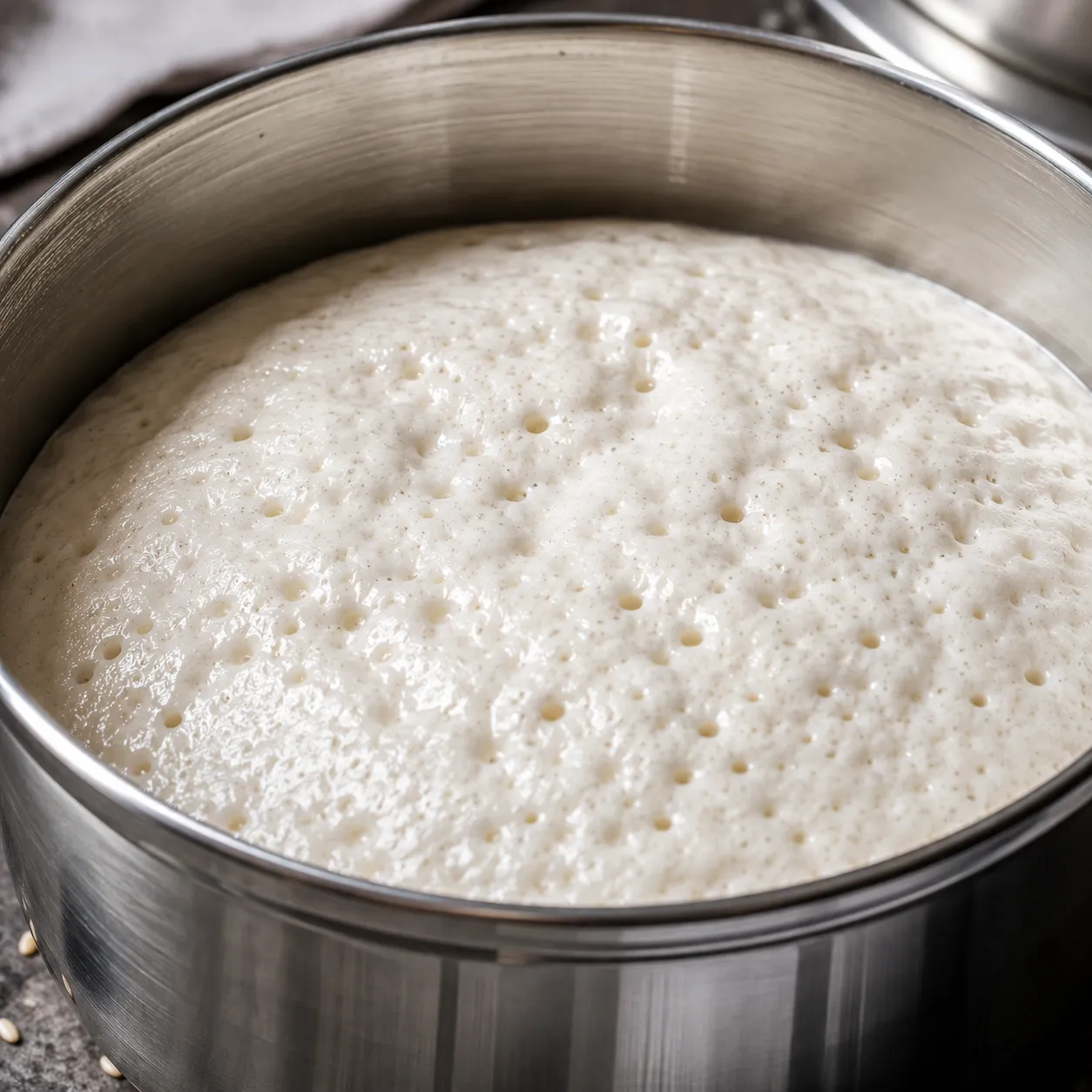
This aeration is what makes the batter rise into a light, pillowy foam. When you steam an idli made from stone-ground batter, those trapped air pockets expand, giving you that incredibly soft, feather-light texture. A blade-ground batter is dense and heavy; a stone-ground batter is alive with air.
"Grinding on stone is not about resisting the future; it is about respecting the physics of flavor."
3. Getting the Dual Textures Right
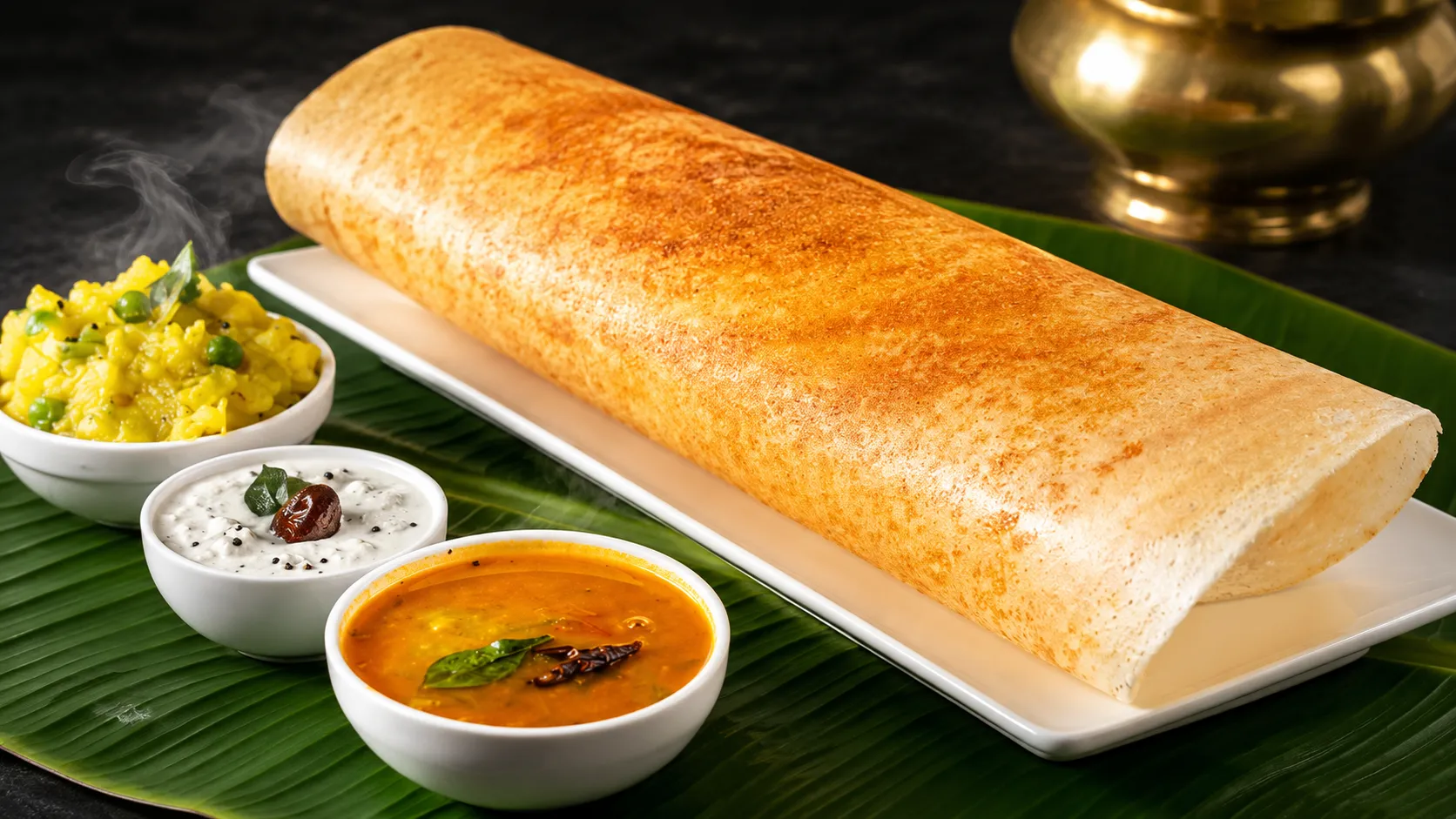
A perfect idli/dosa batter is actually a tale of two different textures. The urad dal must be ground until it is completely smooth, airy, and gelatinous. The rice, however, needs to retain a microscopic grit—often compared to fine semolina. This grit is what gives a dosa its structural integrity and its legendary crispy crunch when it hits the hot tawa.
Mixers tend to either leave the rice too chunky or blend it into a flat, starchy paste. Slow stone grinding allows us to monitor and achieve that exact, delicate balance: a silky dal cream holding micro-grains of rice in suspension.
4. Preserving Natural Oils and Aromas
Lentils and rice contain natural, volatile oils that give them their characteristic nutty, earthy aroma. The high-speed heat of metal blades oxidizes and dissipates these oils, leaving the batter tasting flat. Stone grinding seals these flavors inside the batter, ensuring that when you open a Swamy's pack, it smells exactly like the kitchen of a traditional Kerala home at sunrise.
We believe that some things are worth taking time over. By keeping the stones rolling, we make sure that the soul of Kerala’s breakfast culture is never lost in a hurry.