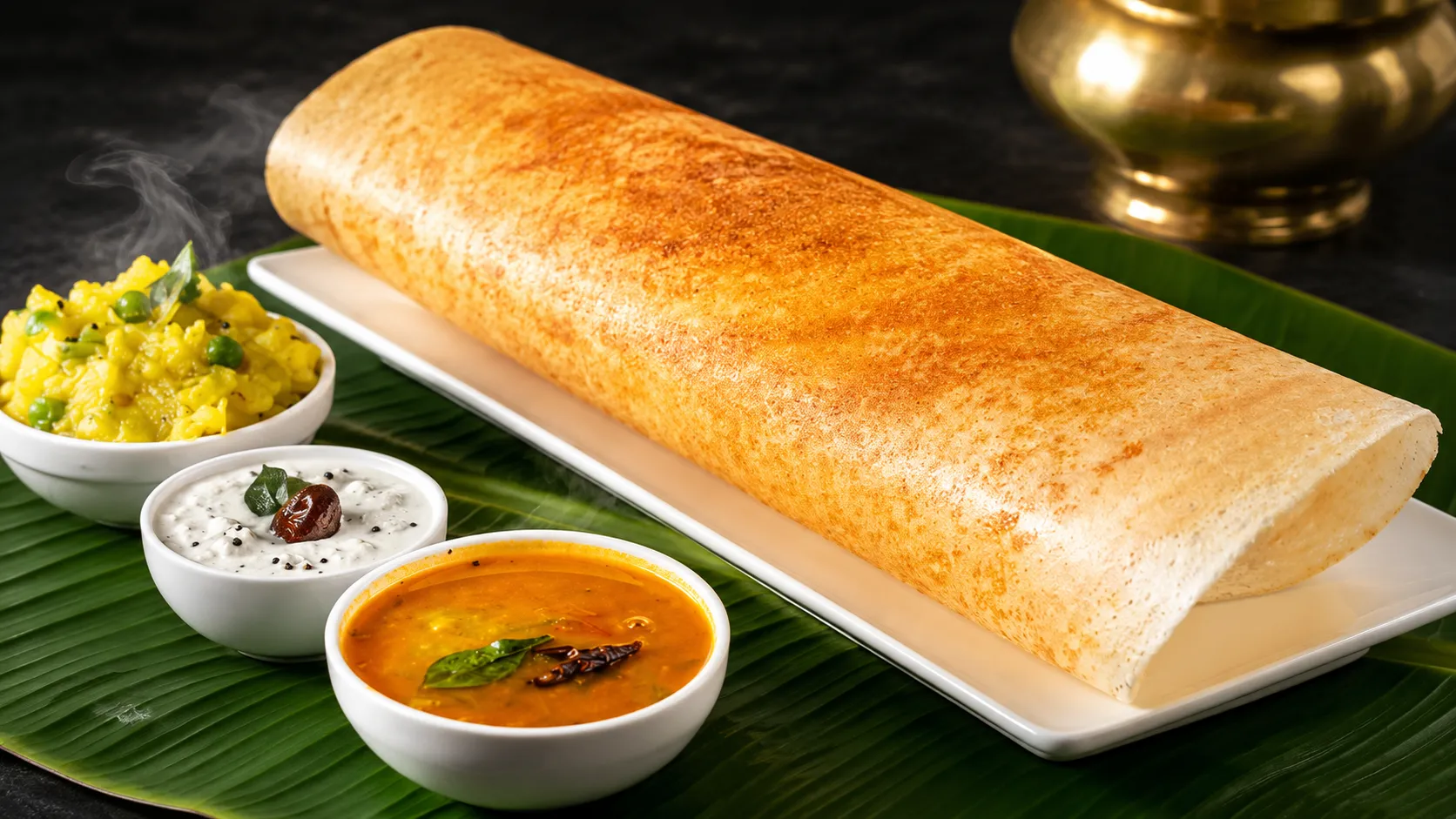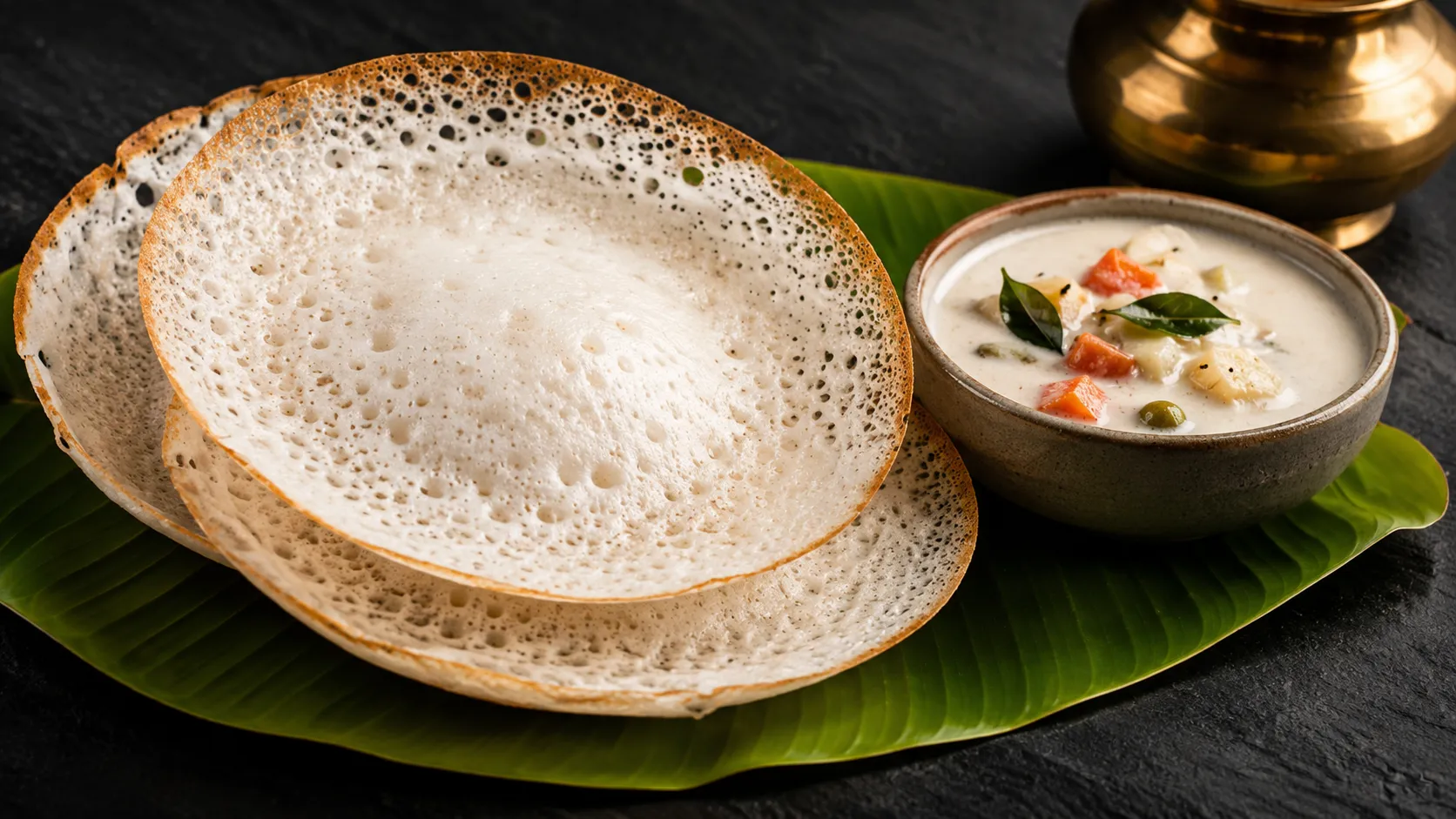
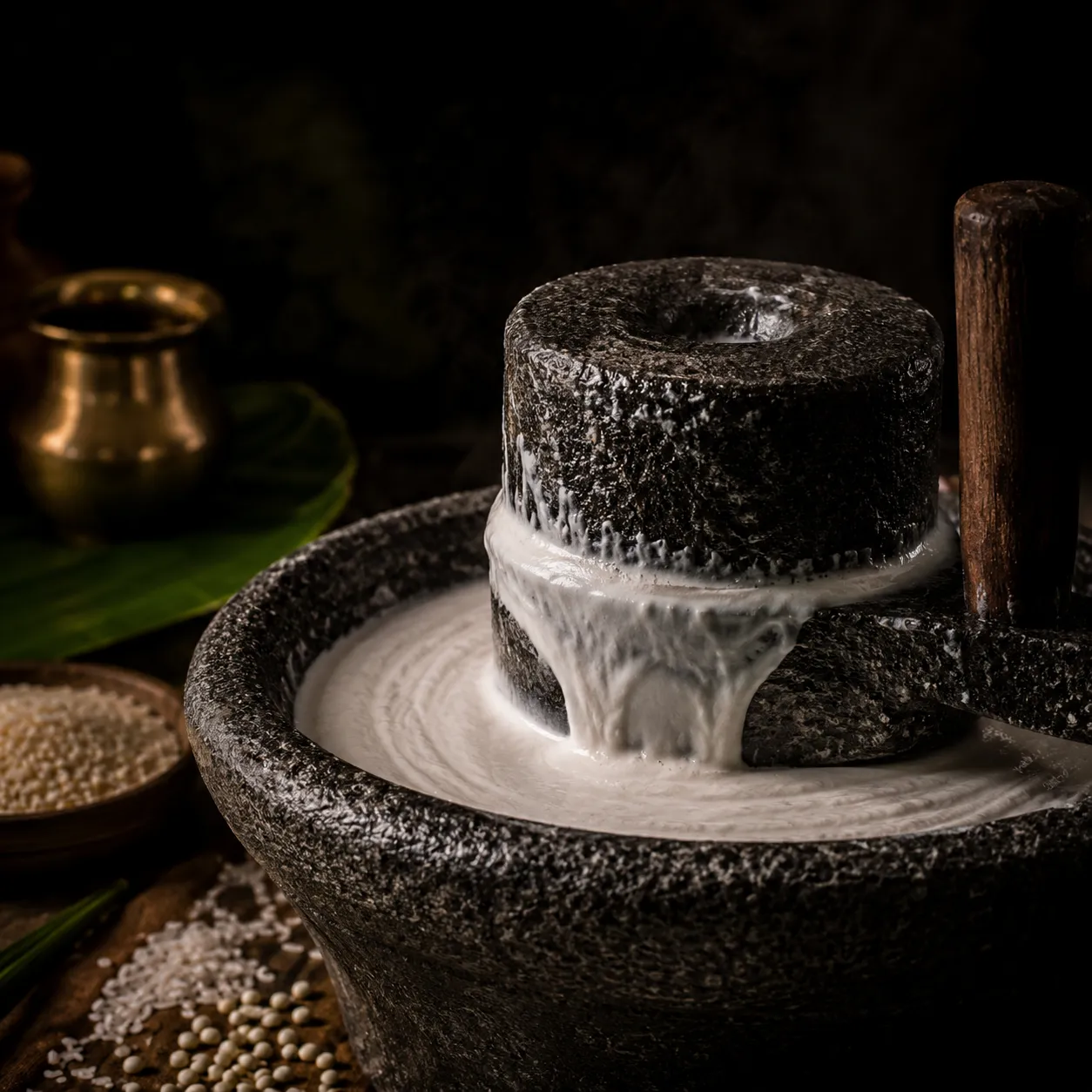
Fermentation is one of human history’s oldest culinary miracles. Long before modern refrigeration or pasteurization, cultures around the world used natural microbes to preserve food and enhance its flavor. In South India, this miracle happens daily in a simple bowl of idli and dosa batter.
As the batter rests overnight, it undergoes a transformation that makes it far more than just a combination of rice and lentils. Here is the science behind why naturally fermented batter is one of the healthiest choices you can make for your body.
1. The Ultimate Digestibility Hack
Raw grains and lentils contain complex starches and dense proteins that can be difficult for the human digestive tract to break down. During fermentation, wild lactic acid bacteria (such as *Leuconostoc* and *Lactobacillus* species) and natural yeasts begin to multiply.
These microbes feed on the sugars in the grains, essentially "pre-digesting" the batter. They break down complex carbohydrates into simple sugars and split heavy proteins into digestible amino acids. This is why a light, steamed idli is often recommended as the ideal food for recovery, toddlers, and anyone who suffers from bloating or indigestion after meals.
2. Unlocking Hidden Nutrients (Bioavailability)
Grains and pulses have a built-in defense mechanism called **phytic acid**. Phytic acid acts as an "anti-nutrient"—it binds to essential minerals like iron, zinc, calcium, and magnesium, preventing your body from absorbing them.
The lactic acid produced during the fermentation of idli/dosa batter lowers the pH, which activates an enzyme called phytase. This enzyme breaks down phytic acid, releasing the bound minerals and drastically increasing their **bioavailability**—meaning your body can actually absorb and utilize them. Furthermore, the fermentation process synthesizes significant amounts of essential B-vitamins, including thiamine, riboflavin, and folic acid.
"Fermentation isn't just about preserving food; it is about unlocking the nutrition that was already sleeping inside the grain."
3. What About the Live Probiotics?
A common misconception is that eating cooked idli or dosa provides your gut with live probiotic bacteria. It is important to be scientifically accurate: because idlis are steamed and dosas are fried, the high cooking temperatures kill the live probiotic cells.
However, the **metabolic byproducts** of the fermentation remain entirely intact. These include organic acids, peptides, and dietary fiber that have already been broken down. These compounds act as *prebiotics*, feeding the healthy bacteria already residing in your gut microbiome and strengthening your digestive lining.
4. Managing Blood Sugar (Glycemic Index)
Pure, unfermented white rice can cause a rapid spike in blood sugar levels. However, when rice is blended with protein-rich urad dal and allowed to ferment, its glycemic impact changes.
The lactic acid produced by the microbes slows down gastric emptying, which in turn slows down the rate at which your body converts carbohydrates into glucose. This results in a much more gradual, sustained release of energy rather than a sudden blood sugar spike. Pairing your idlis or dosas with fiber-rich sambar or a coconut-coriander chutney further balances the glycemic load of your breakfast.
At Swamy's, we do not use any artificial leavening agents, soda, or chemical additives to rush this process. We let nature take its course over hours of slow, natural fermentation, so you get all the digestive and nutritional benefits of a truly live, traditional batter.